NEWS
How to Choose the Right Shelf Casters?
2026-04-03
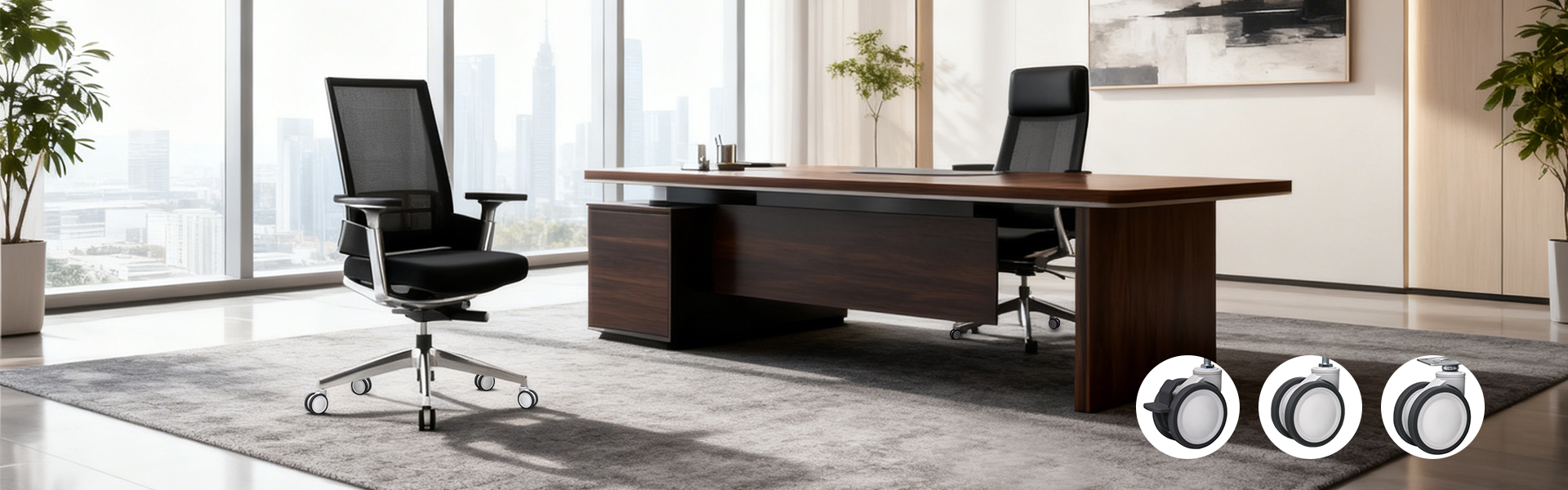
When it comes to optimizing storage solutions—whether for warehouses, retail spaces, commercial kitchens, or home garages—mobile shelving is a game-changer. But the functionality of your mobile shelves hinges entirely on one often-overlooked component: the casters. Choosing the wrong shelf casters can lead to wobbly shelves, damaged floors, premature wear, and even safety hazards. As a trusted caster manufacturer with years of expertise, Promove Caster is here to share a comprehensive guide to help you select the perfect shelf casters for your specific needs, ensuring durability, mobility, and long-term value.
1. Start with Load Capacity: The Non-Negotiable First Step
The most critical factor in choosing shelf casters is load capacity—get this wrong, and even the highest-quality casters will fail. Load capacity refers to the maximum weight a single caster can safely support, and it’s essential to calculate this correctly to avoid overloading.
Here’s how to calculate it: First, determine the total weight of your shelving unit plus the maximum load it will carry (e.g., boxes, equipment, inventory). Divide this total weight by the number of casters you plan to use (most shelves use 4 casters). Then, add a 25-30% safety buffer to account for uneven weight distribution, floor irregularities, or accidental overloading—this ensures your casters won’t be strained over time.
For example: If your shelving unit weighs 200 lbs and will hold up to 800 lbs of inventory, the total weight is 1,000 lbs. Divided by 4 casters, that’s 250 lbs per caster. Adding a 25% buffer means you need casters rated for at least 312 lbs each. Promove Caster offers shelf casters with load capacities ranging from 200 lbs to 4,400 lbs per set, including heavy-duty options for industrial shelving and lighter solutions for home or retail use.
2. Choose the Right Caster Type: Swivel vs. Rigid
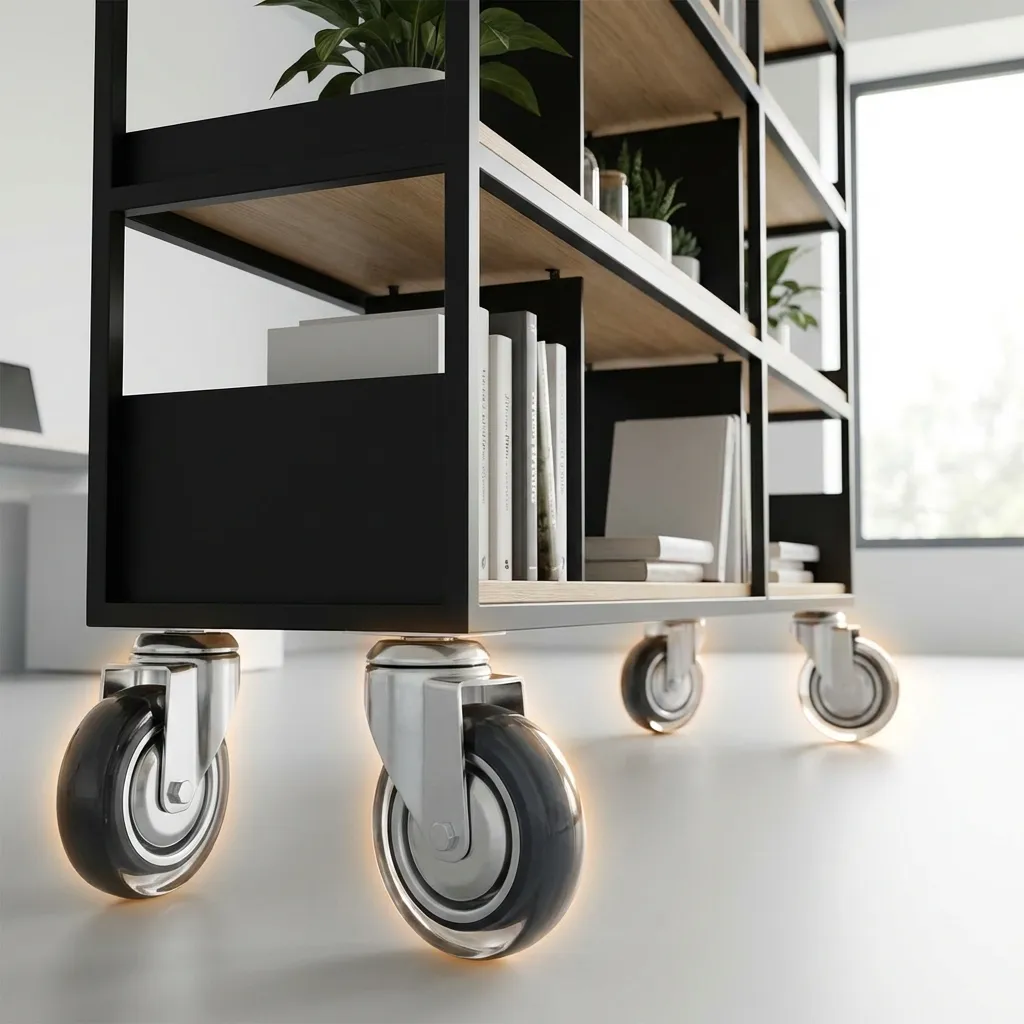
Shelf casters come in two main types: swivel and rigid. Your choice depends on how you plan to move your shelving and the space you’re working with.
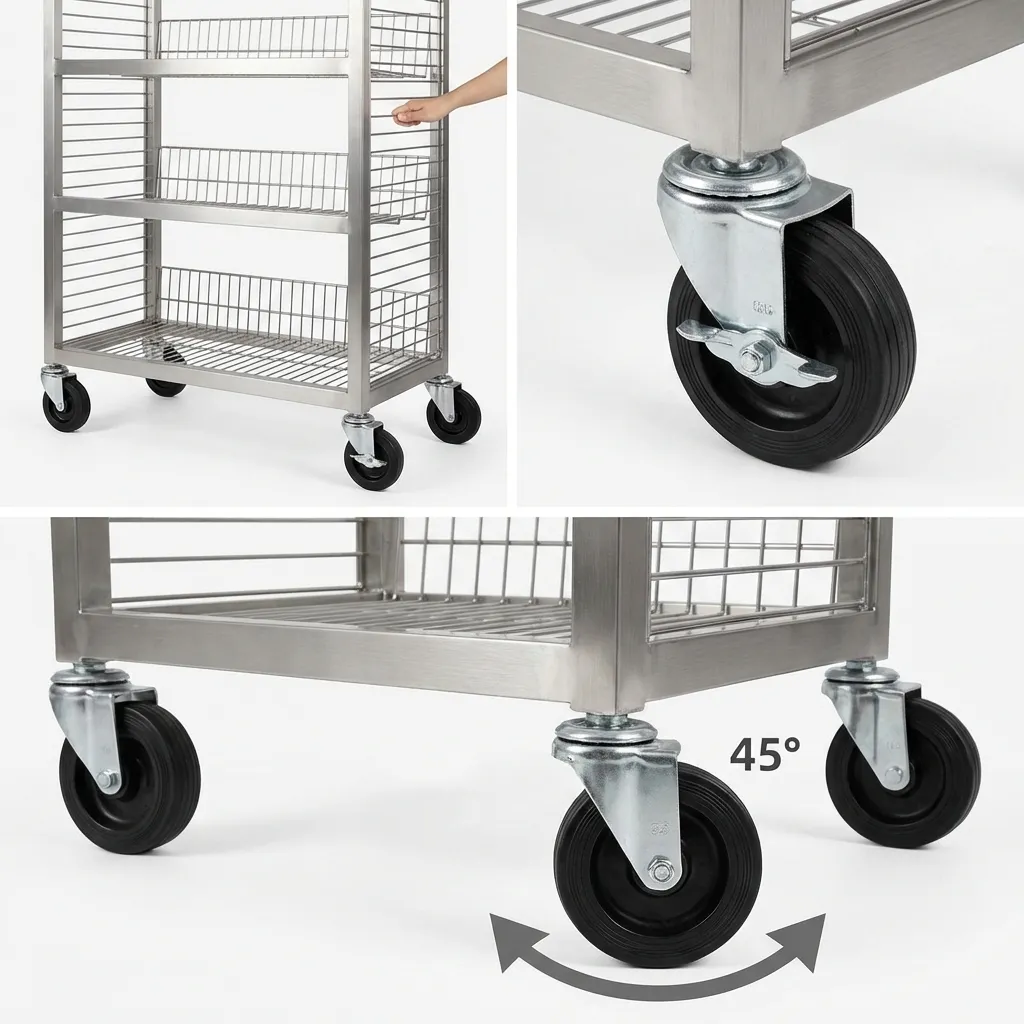
• Swivel Casters: These casters rotate 360 degrees, allowing for maximum maneuverability. They’re ideal for tight spaces (like narrow warehouse aisles or retail backrooms) where you need to change direction quickly. Many swivel casters also come with brakes to lock both the wheel and swivel, preventing unwanted movement when the shelf is stationary—a must for safety in busy environments.
• Rigid Casters: These casters roll only forward and backward, offering superior stability for heavy loads. They’re best for shelves that move in straight lines (e.g., long warehouse rows) and are less likely to wobble under extreme weight. For optimal flexibility, many users combine swivel casters (on the front) and rigid casters (on the back) of their shelving units.
3. Select the Right Wheel Material: Match to Your Floor & Environment
The material of the caster wheel directly impacts performance, floor protection, and durability. Different floor types and environments require different wheel materials—here’s a breakdown of the most common options for shelf casters:
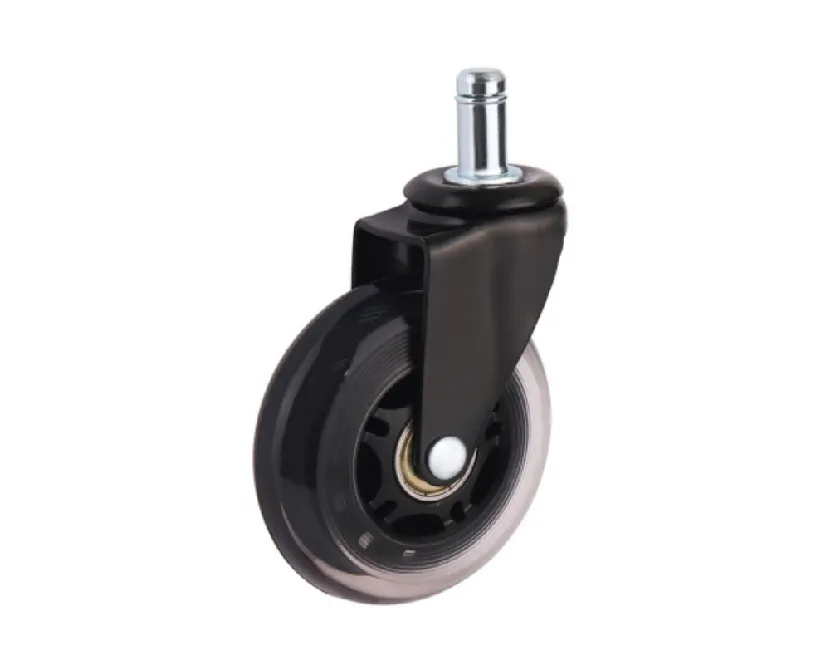
• Polyurethane (PU): The most versatile option for most applications. PU wheels are non-marking, quiet, and durable, making them ideal for indoor use on hard floors (concrete, tile, hardwood, laminate). They offer a smooth roll, absorb shocks, and won’t scratch delicate surfaces. Promove Caster’s PU shelf casters are available in 3”, 4”, 5”, 6”, and 8” diameters, with aluminum or cast iron cores for added strength.
• Rubber: Best for uneven floors or rough surfaces (e.g., garage concrete with cracks). Rubber wheels absorb vibrations, reduce noise, and provide excellent grip, but they’re less durable than PU and may pick up debris in industrial settings. They’re a great choice for lighter shelving in home or commercial kitchens.
• Nylon: Lightweight, moisture-resistant, and affordable. Nylon wheels are ideal for wet environments (e.g., commercial kitchens, refrigerated storage) and can handle moderate loads. They roll smoothly on hard floors but may be noisy and can scratch delicate surfaces if not used carefully.
• Steel/Cast Iron: Designed for heavy-duty industrial use. Steel wheels can handle extreme loads (up to 5,000 lbs) but are hard on floors and noisy. They’re best for rough concrete floors in warehouses or factories where floor protection is not a top priority.
4. Consider Mounting Type: Stem vs. Plate Mount
Shelf casters are mounted in two main ways, and your choice depends on the design of your shelving unit:
• Stem Mount Casters: The most common option for wire shelving and tubular-framed shelves. These casters feature a threaded stem (e.g., 3/8”-16, 1/4”-20) that screws directly into the bottom of the shelf legs. Stem casters are easy to install and replace, and they come in expanding or threaded styles—expanding stems fit most 1” diameter shelf posts, making them a “universal” option for many shelving brands.
• Plate Mount Casters: These casters have a flat metal plate that attaches to the bottom of the shelf with screws. They offer superior stability for heavy-duty shelving and are ideal for wooden shelves or custom-built units. Plate mount casters are more secure than stem mount but require pre-drilled holes for installation.
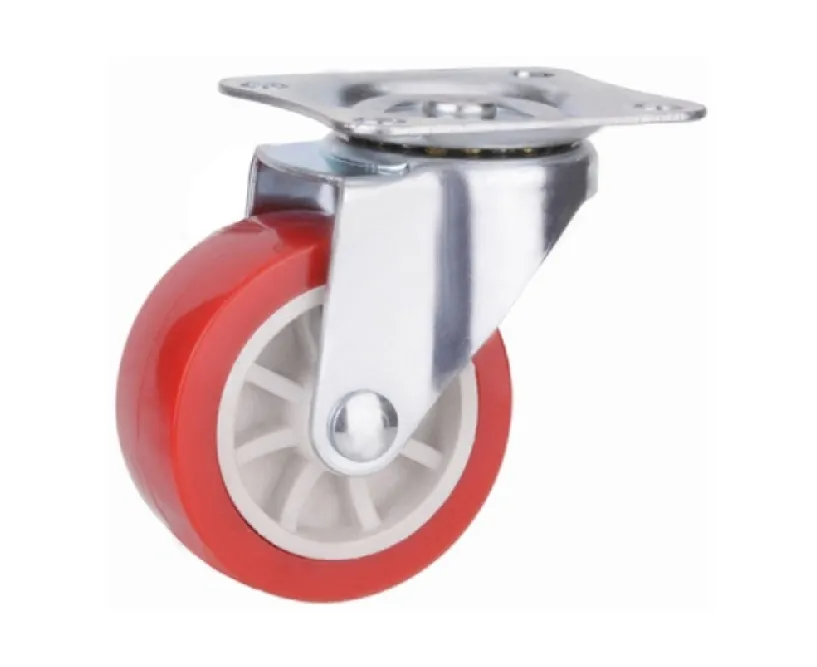
5. Don’t Overlook Brakes: Safety First
For most shelf applications, brakes are a non-negotiable feature. Brakes prevent the shelf from rolling accidentally, which is critical for safety—especially in high-traffic areas or when the shelf is loaded with heavy items. There are two main types of brakes for shelf casters:
• Wheel Brakes: Lock only the wheel, preventing it from rolling. Suitable for light to moderate loads in low-traffic areas.
• Total Lock Brakes: Lock both the wheel and the swivel, keeping the shelf completely stationary. This is the best option for heavy loads, busy environments, or sloped floors. Promove Caster’s shelf casters with total lock brakes are designed for maximum safety, ensuring your shelving stays in place when you need it to.
6. Bonus Tips for Long-Lasting Shelf Casters
• Check Compatibility: Ensure the caster size (diameter, stem length, plate size) matches your shelving unit. Taking an existing leveling foot to compare stem size is a foolproof way to avoid mistakes.
• Consider Environment: If your shelves are used in wet, corrosive, or high-temperature environments (e.g., commercial kitchens, chemical storage), choose casters with stainless steel frames or corrosion-resistant materials to prevent rust and premature wear.
• Invest in Quality: Cheap casters may save money upfront, but they’ll wear out quickly, leading to frequent replacements and potential safety risks. Promove Caster’s shelf casters are rigorously tested by our engineers to ensure durability, load capacity, and smooth performance—backed by our manufacturing expertise and quality assurance standards.
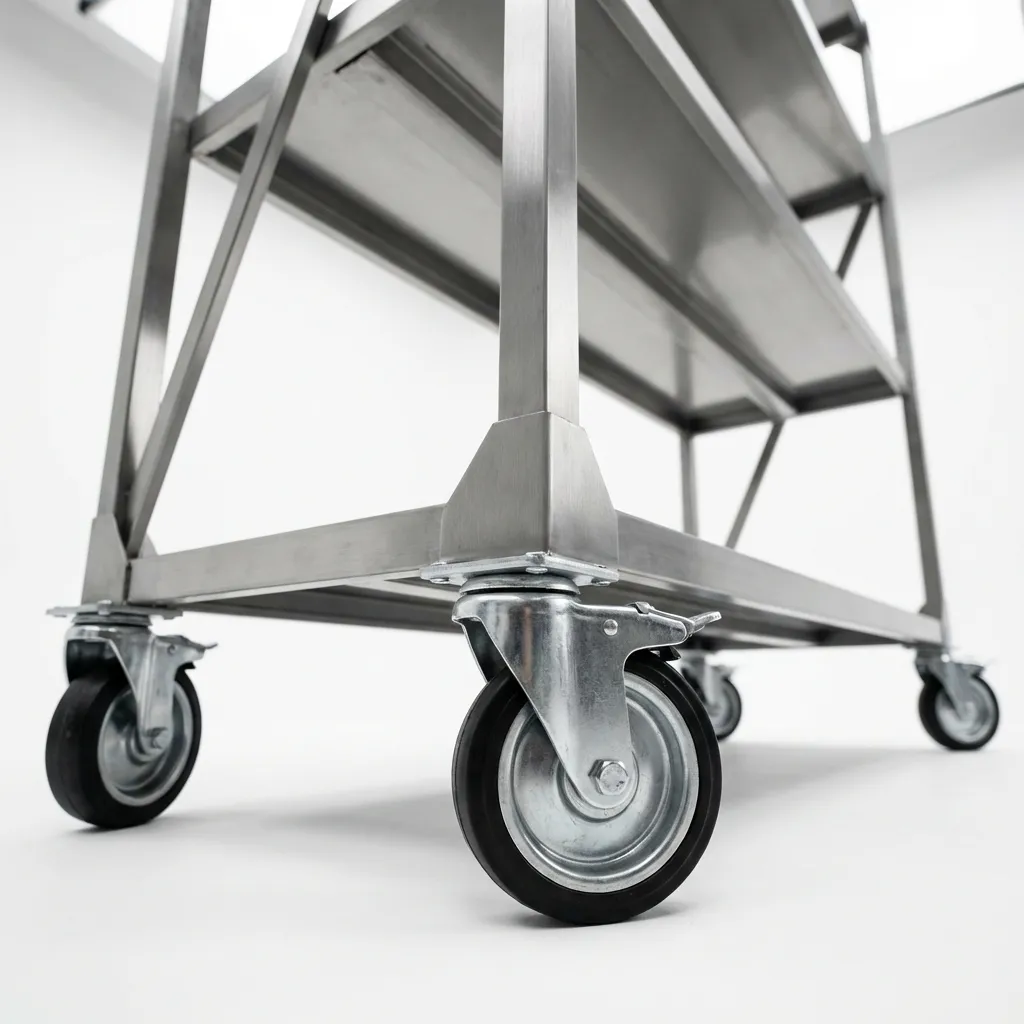
Why Choose Promove Caster for Your Shelf Casters?
At Promove Caster, we specialize in manufacturing high-quality casters for every application—from light-duty home shelving to heavy-duty industrial storage. Our shelf casters are available in a full range of sizes, load capacities, and materials, with both stem and plate mount options to fit any shelving unit. We offer factory-direct pricing, wholesale terms for B2B partners, and custom solutions to meet your unique needs.
Whether you’re looking for non-marking PU casters for retail shelving, heavy-duty steel casters for warehouse racks, or swivel casters with total lock brakes for commercial kitchens, Promove Caster has you covered. Our team of experts is ready to help you select the perfect casters for your project—contact us today for a custom quote or product catalog.
When it comes to optimizing storage solutions—whether for warehouses, retail spaces, commercial kitchens, or home garages—mobile shelving is a game-changer. But the functionality of your mobile shelves hinges entirely on one often-overlooked component: the casters. Choosing the wrong shelf casters can lead to wobbly shelves, damaged floors, premature wear, and even safety hazards. As a trusted caster manufacturer with years of expertise, Promove Caster is here to share a comprehensive guide to help you select the perfect shelf casters for your specific needs, ensuring durability, mobility, and long-term value.
1. Start with Load Capacity: The Non-Negotiable First Step
The most critical factor in choosing shelf casters is load capacity—get this wrong, and even the highest-quality casters will fail. Load capacity refers to the maximum weight a single caster can safely support, and it’s essential to calculate this correctly to avoid overloading.
Here’s how to calculate it: First, determine the total weight of your shelving unit plus the maximum load it will carry (e.g., boxes, equipment, inventory). Divide this total weight by the number of casters you plan to use (most shelves use 4 casters). Then, add a 25-30% safety buffer to account for uneven weight distribution, floor irregularities, or accidental overloading—this ensures your casters won’t be strained over time.
For example: If your shelving unit weighs 200 lbs and will hold up to 800 lbs of inventory, the total weight is 1,000 lbs. Divided by 4 casters, that’s 250 lbs per caster. Adding a 25% buffer means you need casters rated for at least 312 lbs each. Promove Caster offers shelf casters with load capacities ranging from 200 lbs to 4,400 lbs per set, including heavy-duty options for industrial shelving and lighter solutions for home or retail use.
2. Choose the Right Caster Type: Swivel vs. Rigid
Shelf casters come in two main types: swivel and rigid. Your choice depends on how you plan to move your shelving and the space you’re working with.
• Swivel Casters: These casters rotate 360 degrees, allowing for maximum maneuverability. They’re ideal for tight spaces (like narrow warehouse aisles or retail backrooms) where you need to change direction quickly. Many swivel casters also come with brakes to lock both the wheel and swivel, preventing unwanted movement when the shelf is stationary—a must for safety in busy environments.
• Rigid Casters: These casters roll only forward and backward, offering superior stability for heavy loads. They’re best for shelves that move in straight lines (e.g., long warehouse rows) and are less likely to wobble under extreme weight. For optimal flexibility, many users combine swivel casters (on the front) and rigid casters (on the back) of their shelving units.
3. Select the Right Wheel Material: Match to Your Floor & Environment
The material of the caster wheel directly impacts performance, floor protection, and durability. Different floor types and environments require different wheel materials—here’s a breakdown of the most common options for shelf casters:
• Polyurethane (PU): The most versatile option for most applications. PU wheels are non-marking, quiet, and durable, making them ideal for indoor use on hard floors (concrete, tile, hardwood, laminate). They offer a smooth roll, absorb shocks, and won’t scratch delicate surfaces. Promove Caster’s PU shelf casters are available in 3”, 4”, 5”, 6”, and 8” diameters, with aluminum or cast iron cores for added strength.
• Rubber: Best for uneven floors or rough surfaces (e.g., garage concrete with cracks). Rubber wheels absorb vibrations, reduce noise, and provide excellent grip, but they’re less durable than PU and may pick up debris in industrial settings. They’re a great choice for lighter shelving in home or commercial kitchens.
• Nylon: Lightweight, moisture-resistant, and affordable. Nylon wheels are ideal for wet environments (e.g., commercial kitchens, refrigerated storage) and can handle moderate loads. They roll smoothly on hard floors but may be noisy and can scratch delicate surfaces if not used carefully.
• Steel/Cast Iron: Designed for heavy-duty industrial use. Steel wheels can handle extreme loads (up to 5,000 lbs) but are hard on floors and noisy. They’re best for rough concrete floors in warehouses or factories where floor protection is not a top priority.
4. Consider Mounting Type: Stem vs. Plate Mount
Shelf casters are mounted in two main ways, and your choice depends on the design of your shelving unit:
• Stem Mount Casters: The most common option for wire shelving and tubular-framed shelves. These casters feature a threaded stem (e.g., 3/8”-16, 1/4”-20) that screws directly into the bottom of the shelf legs. Stem casters are easy to install and replace, and they come in expanding or threaded styles—expanding stems fit most 1” diameter shelf posts, making them a “universal” option for many shelving brands.
• Plate Mount Casters: These casters have a flat metal plate that attaches to the bottom of the shelf with screws. They offer superior stability for heavy-duty shelving and are ideal for wooden shelves or custom-built units. Plate mount casters are more secure than stem mount but require pre-drilled holes for installation.
5. Don’t Overlook Brakes: Safety First
For most shelf applications, brakes are a non-negotiable feature. Brakes prevent the shelf from rolling accidentally, which is critical for safety—especially in high-traffic areas or when the shelf is loaded with heavy items. There are two main types of brakes for shelf casters:
• Wheel Brakes: Lock only the wheel, preventing it from rolling. Suitable for light to moderate loads in low-traffic areas.
• Total Lock Brakes: Lock both the wheel and the swivel, keeping the shelf completely stationary. This is the best option for heavy loads, busy environments, or sloped floors. Promove Caster’s shelf casters with total lock brakes are designed for maximum safety, ensuring your shelving stays in place when you need it to.
6. Bonus Tips for Long-Lasting Shelf Casters
• Check Compatibility: Ensure the caster size (diameter, stem length, plate size) matches your shelving unit. Taking an existing leveling foot to compare stem size is a foolproof way to avoid mistakes.
• Consider Environment: If your shelves are used in wet, corrosive, or high-temperature environments (e.g., commercial kitchens, chemical storage), choose casters with stainless steel frames or corrosion-resistant materials to prevent rust and premature wear.
• Invest in Quality: Cheap casters may save money upfront, but they’ll wear out quickly, leading to frequent replacements and potential safety risks. Promove Caster’s shelf casters are rigorously tested by our engineers to ensure durability, load capacity, and smooth performance—backed by our manufacturing expertise and quality assurance standards.
Why Choose Promove Caster for Your Shelf Casters?
At Promove Caster, we specialize in manufacturing high-quality casters for every application—from light-duty home shelving to heavy-duty industrial storage. Our shelf casters are available in a full range of sizes, load capacities, and materials, with both stem and plate mount options to fit any shelving unit. We offer factory-direct pricing, wholesale terms for B2B partners, and custom solutions to meet your unique needs.
Whether you’re looking for non-marking PU casters for retail shelving, heavy-duty steel casters for warehouse racks, or swivel casters with total lock brakes for commercial kitchens, Promove Caster has you covered. Our team of experts is ready to help you select the perfect casters for your project—contact us today for a custom quote or product catalog.
Previous: No more data

Contact Info
Email: enquiry@promovecaster.com
Tel: +86 139 2491 9427
WhatsApp: +86 134 2750 7341
Address: Yonglong Road, JiDongYi, Xiaolan Town, Zhongshan City, Guangdong Province, China
Copyright © 2025 Zhongshan Promove Caster Co., Ltd.