NEWS

How to Measure Caster Wheels : A Complete Guide for Buyers
2026-03-26
If you’re replacing or upgrading casters for medical equipment, hospital beds, trolleys, industrial carts, or furniture, measuring caster dimensions accurately is the first critical step. The wrong size can lead to poor mobility, unstable equipment, safety risks, and unnecessary costs.
As a professional caster manufacturer, we’ve created this step-by-step guide to help you measure caster wheels and fittings correctly every time.
Key Caster Dimensions You Need to Measure
When measuring casters, focus on these 5 core dimensions:
- Wheel diameter
- Wheel width (tread width)
- Mounting plate size (length × width)
- Bolt hole pattern (hole spacing)
- Stem size (if using stem casters)



1. Wheel Diameter
The wheel diameter determines height, rolling ability, and load capacity.
- Measure straight across the center of the wheelfrom one edge to the opposite edge.
- Larger diameters roll easier over cracks and uneven surfaces.
2. Wheel Width (Tread Width)
Measure the thickness of the wheel tread (the part that touches the ground).
- Wider wheels distribute weight better and reduce floor damage.
- Always measure the rubber/polymer part, not the metal hub.
3. Top Plate Size (For Plate Casters)
Most medical and industrial casters use a top mounting plate. Measure:
- Length of the plate
- Width of the plateRecord in length × widthformat (e.g., 4” × 4.5”).
4. Bolt Hole Spacing (Hole Pattern)
This is the most important measurement for replacement.
- Measure center-to-center distancebetween horizontal holes
- Measure center-to-center distancebetween vertical holesEven a 1–2 mm error can prevent installation.
5. Stem Size (For Stem Casters)
If your caster uses a stem (grip ring, threaded, or friction stem), measure:
- Stem diameter
- Stem length
- Thread size (for threaded stems)
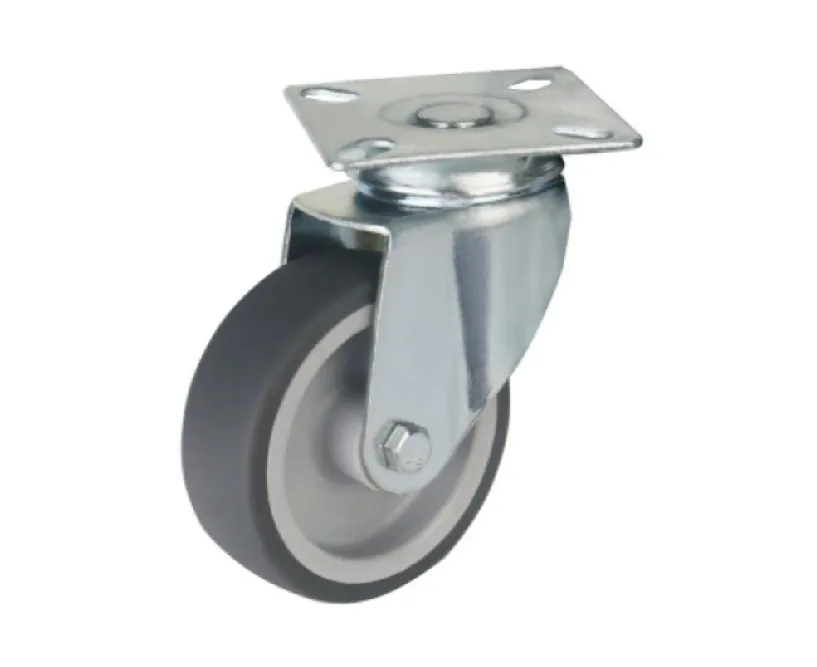
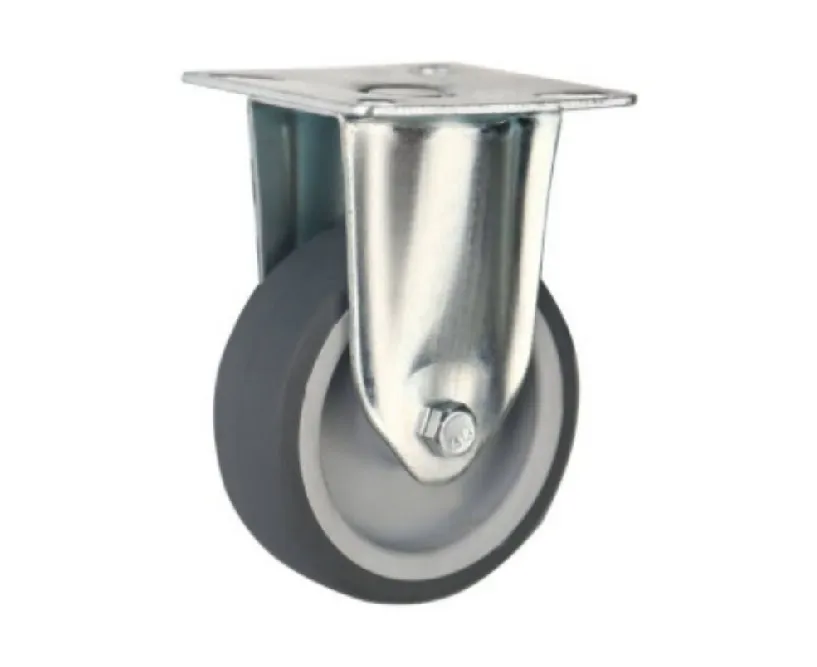
How to Confirm Swivel vs. Fixed
- Swivel caster: Rotates 360°
- Fixed caster: Only moves straight
- Measure the same wheel dimensions for both types.
Common Mistakes to Avoid
- Measuring only the wheel and forgetting the mounting plate
- Estimating instead of using a caliper or measuring tape
- Ignoring bolt hole spacing
- Forgetting total height (wheel + fork)
Why Work With Us?
As a professional caster manufacturer specializing in Light/Medium/Heavy Duty casters, medical casters, and industrial casters, we offer:
- Custom sizes and configurations
- Strict quality control
- OEM & ODM services
- Competitive wholesale pricing
- Global delivery
If you need help selecting or customizing casters based on your measurements, contact us for a free solution.
If you’re replacing or upgrading casters for medical equipment, hospital beds, trolleys, industrial carts, or furniture, measuring caster dimensions accurately is the first critical step. The wrong size can lead to poor mobility, unstable equipment, safety risks, and unnecessary costs.
As a professional caster manufacturer, we’ve created this step-by-step guide to help you measure caster wheels and fittings correctly every time.
Key Caster Dimensions You Need to Measure
When measuring casters, focus on these 5 core dimensions:
- Wheel diameter
- Wheel width (tread width)
- Mounting plate size (length × width)
- Bolt hole pattern (hole spacing)
- Stem size (if using stem casters)
1. Wheel Diameter
The wheel diameter determines height, rolling ability, and load capacity.
- Measure straight across the center of the wheelfrom one edge to the opposite edge.
- Larger diameters roll easier over cracks and uneven surfaces.
2. Wheel Width (Tread Width)
Measure the thickness of the wheel tread (the part that touches the ground).
- Wider wheels distribute weight better and reduce floor damage.
- Always measure the rubber/polymer part, not the metal hub.
3. Top Plate Size (For Plate Casters)
Most medical and industrial casters use a top mounting plate. Measure:
- Length of the plate
- Width of the plateRecord in length × widthformat (e.g., 4” × 4.5”).
4. Bolt Hole Spacing (Hole Pattern)
This is the most important measurement for replacement.
- Measure center-to-center distancebetween horizontal holes
- Measure center-to-center distancebetween vertical holesEven a 1–2 mm error can prevent installation.
5. Stem Size (For Stem Casters)
If your caster uses a stem (grip ring, threaded, or friction stem), measure:
- Stem diameter
- Stem length
- Thread size (for threaded stems)
How to Confirm Swivel vs. Fixed
- Swivel caster: Rotates 360°
- Fixed caster: Only moves straight
- Measure the same wheel dimensions for both types.
Common Mistakes to Avoid
- Measuring only the wheel and forgetting the mounting plate
- Estimating instead of using a caliper or measuring tape
- Ignoring bolt hole spacing
- Forgetting total height (wheel + fork)
Why Work With Us?
As a professional caster manufacturer specializing in Light/Medium/Heavy Duty casters, medical casters, and industrial casters, we offer:
- Custom sizes and configurations
- Strict quality control
- OEM & ODM services
- Competitive wholesale pricing
- Global delivery
If you need help selecting or customizing casters based on your measurements, contact us for a free solution.

Contact Info
Email: enquiry@promovecaster.com
Tel: +86 139 2491 9427
WhatsApp: +86 134 2750 7341
Address: Yonglong Road, JiDongYi, Xiaolan Town, Zhongshan City, Guangdong Province, China
Copyright © 2025 Zhongshan Promove Caster Co., Ltd.